Our story
built from the inside out.
alicia frommann. founder, peakplant.
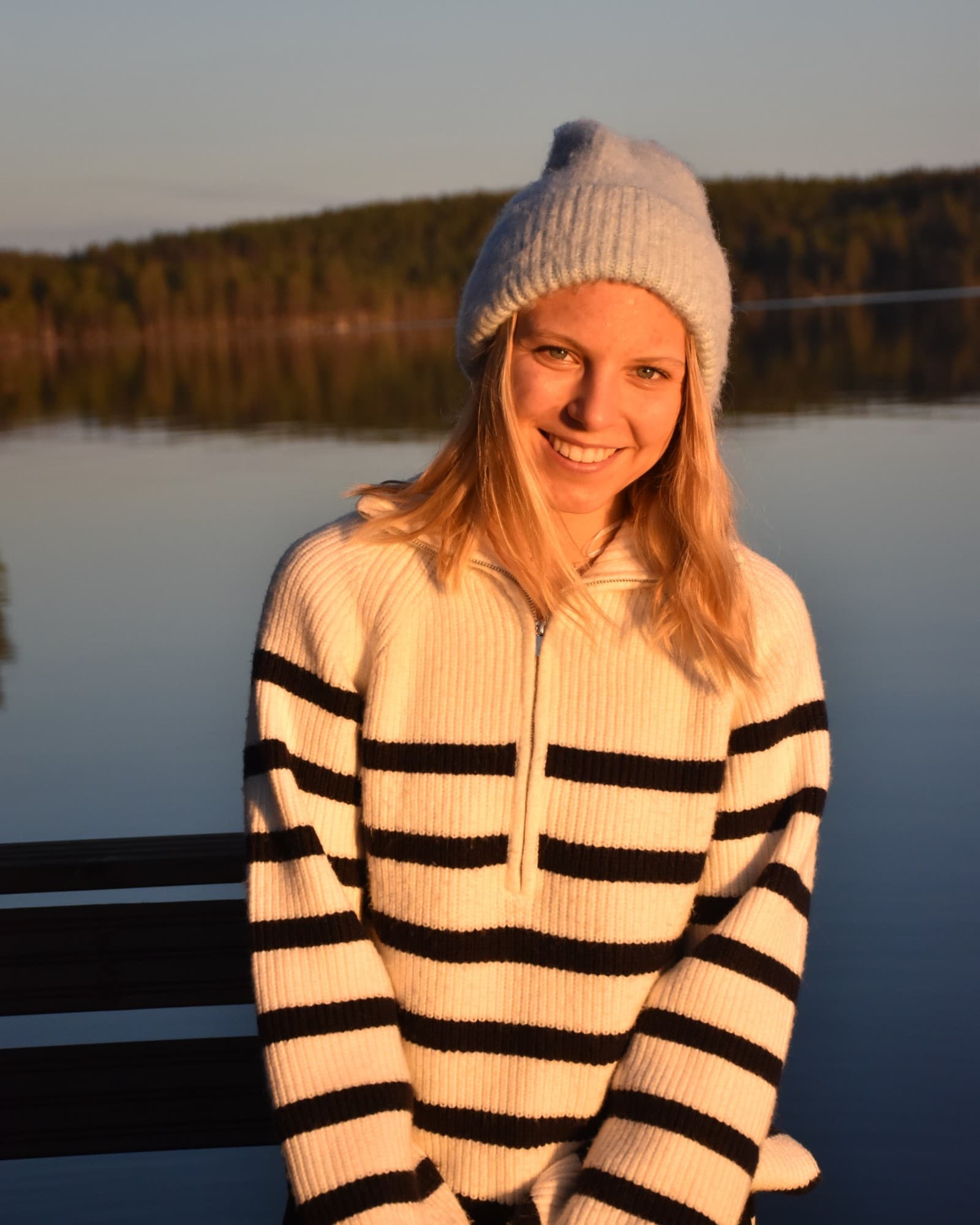
alicia frommann
founder, peakplant
for a long time, i measured myself by external performance. achievement. ambition. being enough.
i was successful on the outside. not fully free on the inside.
i studied systems thinking: how feedback loops, mental models, and cultural architecture shape behavior at scale.
what i found: loneliness and emotional disconnection are not personal failures. they are systemic outcomes.
the systems we live inside (social media, productivity culture, performance norms) were not designed to help us feel safe. they were designed to make us feel not enough.
the more i worked on my own patterns, the more intimacy changed too. it became safe. deep. growing. something built between two people rather than performed for each other.
that shift did not only affect romantic relationships. it changed friendships, communication, and the way i moved through the world.
peakplant exists because more people deserve to experience that kind of connection. not the performance of it. the actual thing.
you do not have to perform to be worthy of love.
that is not a slogan. it is the center of everything we build.
what changed my thinking
Brené Brown: The Gifts of Imperfection
Amy Edmondson: The Fearless Organization
John Sterman: Business Dynamics
my why · part one
freedom.justice.love.
lived and seen.
this is how i break the loop.
and then again from the start. peakplant is built for the moment where the loop begins: to stay there, feel it, and turn towards someone instead of away.
what research says
we get used to almost everything outside us.
a raise, a new flat, a win: the lift fades, and we are back where we started. researchers call it hedonic adaptation.
so peakplant does not add more things. it helps you notice what is already there.
Brickman & Campbell 1971 · Brickman und Kollegen 1978
we are bad at guessing what will make us happy.
we expect the next milestone to bring peace, and overestimate how long the feeling will last.
so we look back at real moments together, not ahead at goals.
Gilbert & Wilson 2000, „Miswanting"
three needs carry us.
autonomy: living in line with our own values. competence: growing through something that asks something of us. relatedness: being close to others.
so move asks something of your body, and the app brings you closer to your people.
Deci & Ryan, Selbstbestimmungstheorie, 2000
relationships reach furthest.
the longest study of adult life, running since 1938, found close relationships to be the clearest link to a good and healthy life.
so every card in peakplant is made to be shared.
Harvard Study of Adult Development · Waldinger & Schulz 2023
fully in what we do.
when a task fits our ability and holds our full attention, time falls away. that state is called flow.
so move is built as one journey: move, flow, connect.
Csikszentmihalyi 1990
feeds reward irregularly.
never knowing whether the next post will be boring or exciting keeps us scrolling. the principle comes from learning psychology and is described openly in product design.
so peakplant counts no likes and has no streaks that can break.
Ferster & Skinner 1957 · Eyal 2014, „Hooked"
what we do not claim: the popular number that we control 40 percent of our happiness ourselves. its own authors revised it in 2021. the direction holds, what we do matters. the exact share does not.
Lyubomirsky, Sheldon & Schkade 2005 · Sheldon & Lyubomirsky 2021
more of my why will follow here.
you do not have to perform to be worthy of love.
Read our philosophy →